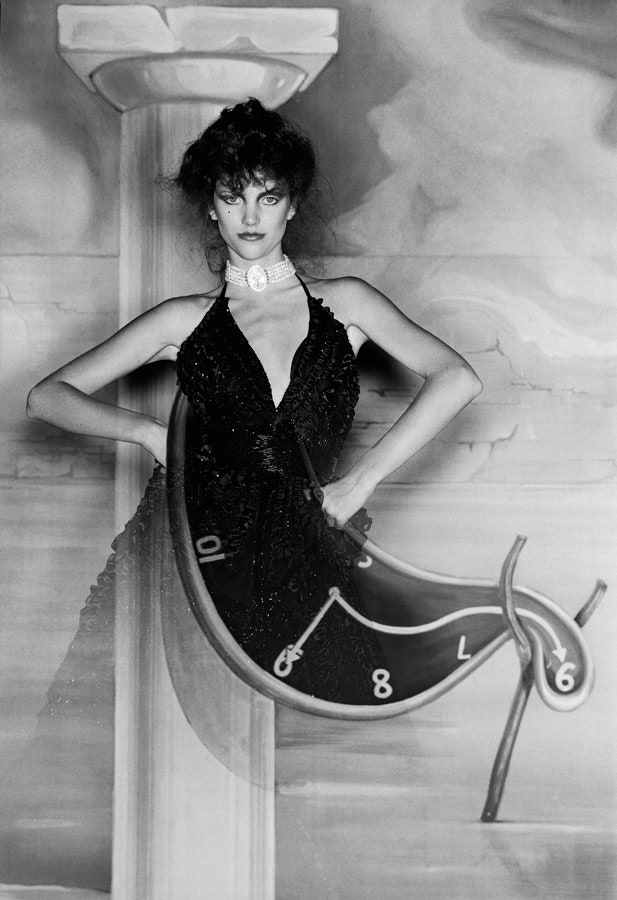
Surreal, David Bailey, 1980 Photo: Courtesy of The Metropolitan Museum of Art, Photo © David Bailey 
Photo: Highsnobiety / Eva Al Desnudo
Today, as we knew it three months ago, would be the Met Gala, the so-called “the Oscars of Fashion” — a black-tie extravaganza held the first Monday in May by the Metropolitan Museum of Art to raise money for the Costume Institute. While as we know it today, that no longer exists. Instead, like everything else now, a virtual version of the gala is hosted by Vogue, to look back and celebrate.
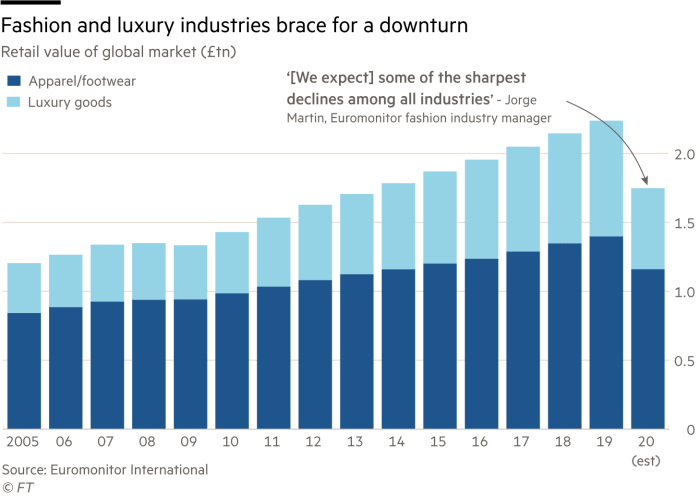
By now, we all acknowledge the fact that the COVID-19 pandemic has brought the fashion industry an unprecedented recessionary market and a collapsed industry landscape. The industry is forced to change; concerning the well-being of labor force on the supply chain, the financial stress and livelihood of retailers and independent designers, the call to action is loud and clear for both consumers and members in the fashion industry.
[Photo: Gilbert Carrasquillo/GC Images via Getty Images; Marten Bjork/Unsplash]
The question arises that how can we recover from the crisis, while at the same time, reshape the industry with a determined objective in fixing the entrenched ethical and environmental issues to rebuild the industry for the better. After all, the fashion industry is responsible for millions of forced and trafficked laborers, ever-growing racism incidents, and 10 percent of global carbon dioxide emissions every year, according to the Intergovernmental Panel on Climate Change (IPCC).
To a surprising degree, ever since the pandemic has landed on fashion’s doorstep, members of the industry across the globe have come together and taken measures in overcoming the crisis collectively and spontaneously. From designers navigate their teams to make masks and gowns for health care workers, to self-isolating fashion students in Prague sew masks and release “how-to” videos to help instruct the general public, to big conglomerates like LVMH, L’Oréal, and Coty repurpose factories to produce hand sanitizer for medical use. All of these happened when no one is making any money; finally, the profit-driven industry shifted priorities voluntarily. If only it doesn’t take a pandemic to wake the fashion community up to embrace the spirit of volunteering, adapting, and cooperating while doing business.
So, if this public-spirited positivity and spontaneous, generous practicality could bleed into the core of the operation in the fashion industry, might we embrace an over-turning industry and revaluate the way in which we regard clothes and consumption.
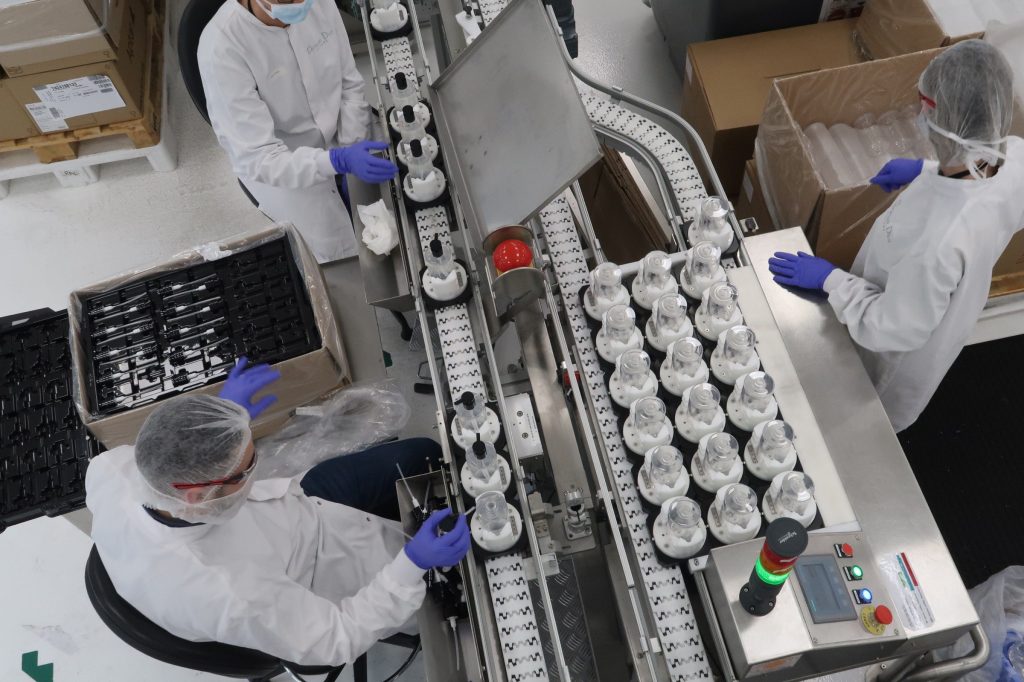
Workers at one of LVMH’s cosmetics laboratories, some of which have switched over to making hand sanitizers.LVMH photo:Vogue.com
As Anna Wintour said in today’s Met Gala live stream, “The community is essential to who we are, and we need each other.” The industry needs to bring humanity, dignity and responsibility to all the equation of fashion productions. The fashion community needs to create a movement to which we can all belong.
The footwear brand Allbirds has made a constructive move: it will label every item produced with its carbon footprint like calories from now on, become the first to do so among all fashion brands. The brand is hoping the launch of its Carbon Footprint labeling will not only inspire carbon transparency but motivate the competition between brands so that collectively the industry’s commitment to sustainability can be achieved to some degree. The brand’s co-CEO Tim Brown said, “The good thing is that this invites competition—if there are people who see our numbers and think they could be better, that’s great. We all need to be working incredibly hard toward making products with a net-zero impact. That problem isn’t going to be solved just by Allbirds—it will be solved by sharing information and pushing each other.”
Many designers and executives have also made the call for change: they want to slow down, and they agree that both fashion shows and productions should be reduced. While there are interrogations on whether fashion weeks should be taken out for good, the nascent Nigerian designer Kenneth Ize, expressed the necessity of fashion shows to a newcomer like him in his conversation with British Vogue, “The [fashion] show moved our sales…. Doing a show gives a comfort to the buyers and to the consumers that this product is going to stay, it’s meant to be here.”
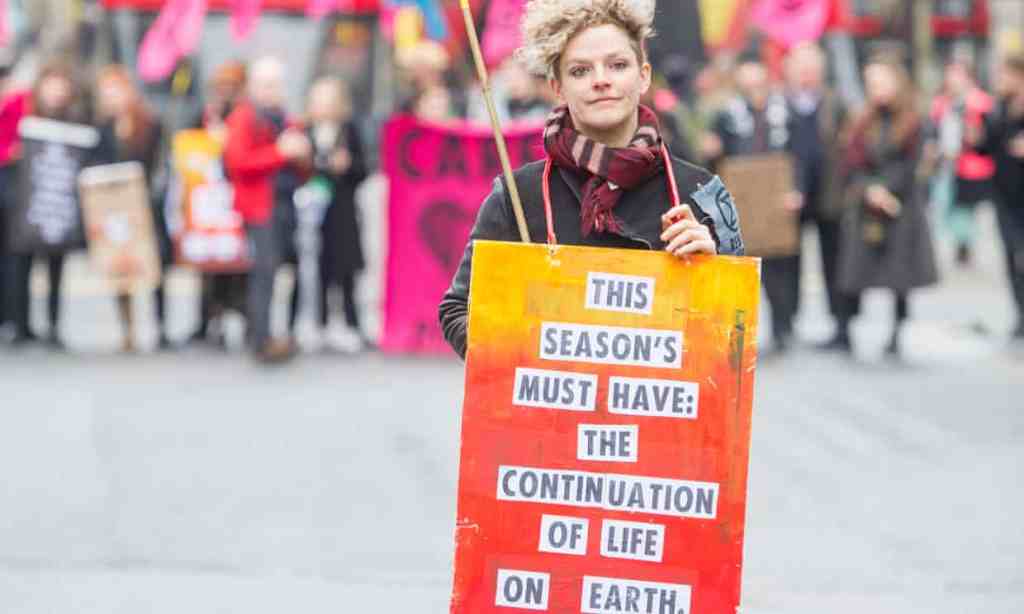
Extinction Rebellion protests outside London Fashion Week in February targeted fast fashion. Photograph: Ollie Millington/Getty Images
People might leave behind hectic consumerist lifestyles, give up making choices based on influencers and celebrities, forsake socially constructed peer-pressure and implied dress codes that are often exercised to be socially fit in. What people will embrace is self-loving, rational thinking, growing environmental awareness, and bearing the compassion and responsibility of global citizenship. The flood of orchestrated marketing feeds and seasonal trends will be less relevant. People will ask more questions to themselves regarding the necessity and patterns of their fashion consumption.
To achieve a global fashion revolution, surely not just concerns the participants in the industry. Each one of us, as consumers, should not be enslaved to society and other’s perceptions but enjoy fashion as it is meant to stimulate confidence and bring pleasure to individuals.
 The Beau Monde Express