With fashion shows canceled, events postponed, manufacturers shut down, and warehouses closed, the fashion industry has been deeply shattered in the wake of the coronavirus pandemic.
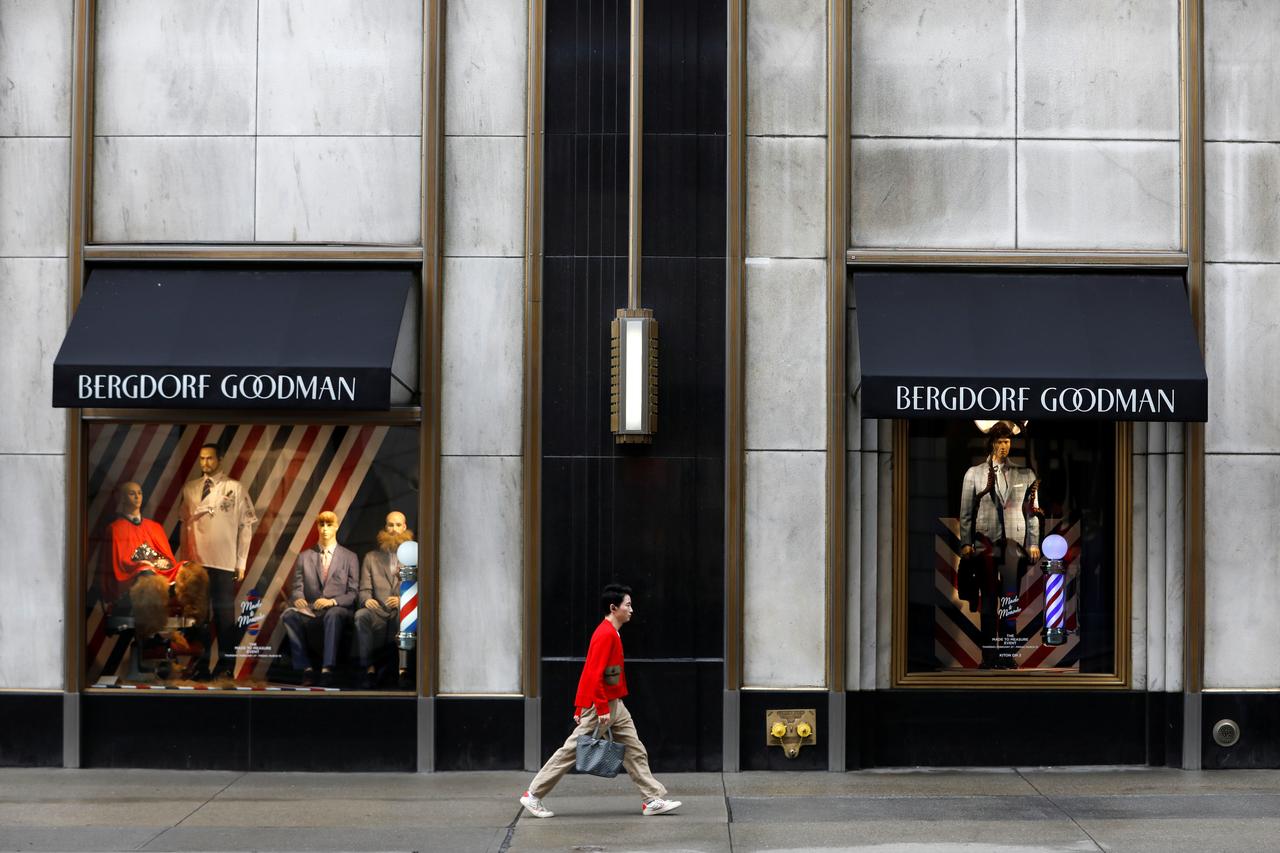
The brave new world is upon every industry and individual. As the coronavirus shuts down the economy and threatens billions of lives across the globe, though the fashion industry is actively coping with the evolving situation, the future remains devastatingly dark. The challenges faced by the industry are on many levels, from supply chain to labor force, to cash flow, to consumer demand and market response, and above all, the way in which ensures health and safety.
The Business of Fashion and McKinsey & Company have released a report in examining the impact of Covid-19 on the $2.5 trillion fashion industry. According to McKinsey Global Fashion Index (MGFI) analysis, states that “56 percent of global fashion companies were not earning their cost of capital in 2018, we expect a large number of global fashion companies to go bankrupt in the next 12 to 18 months.”
Store closures due to quarantine measures has triggered a catastrophic domino effect, as the report warns 80 percent of fashion companies will face financial distress if lockdowns are extended more than two months.
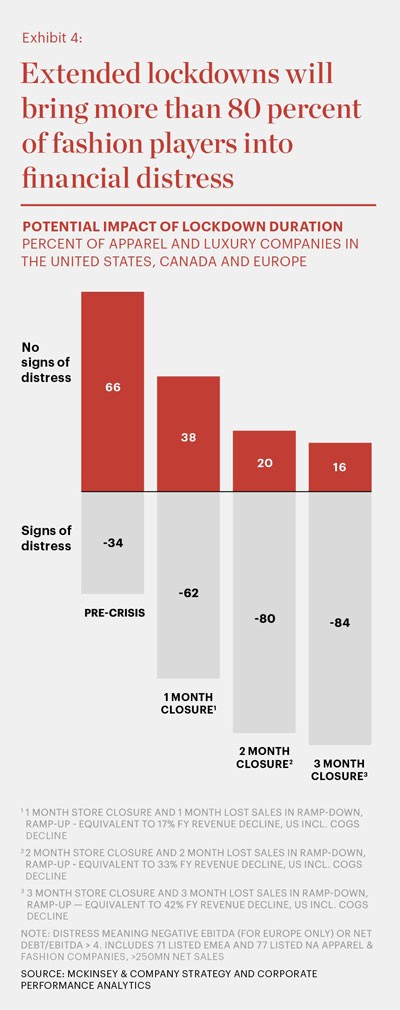
photo: Mckinsey * BOF
Before Covid-19, fashion retailers were already suffered for years due to the disruption of digital shopping, now the virus has put the final nail in the coffin of brick-and-mortar retail businesses, especially the small, independent ones.
But with enforced store closing, whether long-standing department stores, top-notch brands, or nascent designer labels are all struggled by continuing with online sales while finding sources of income to equal that of their store sales and make up for heavy rent stress.
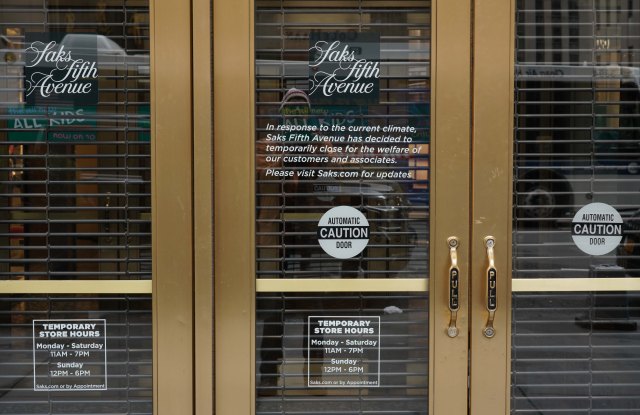
Retailers nationwide selling non-essentials are temporarily shut down due to the pandemic.
George Chinsee/WWD
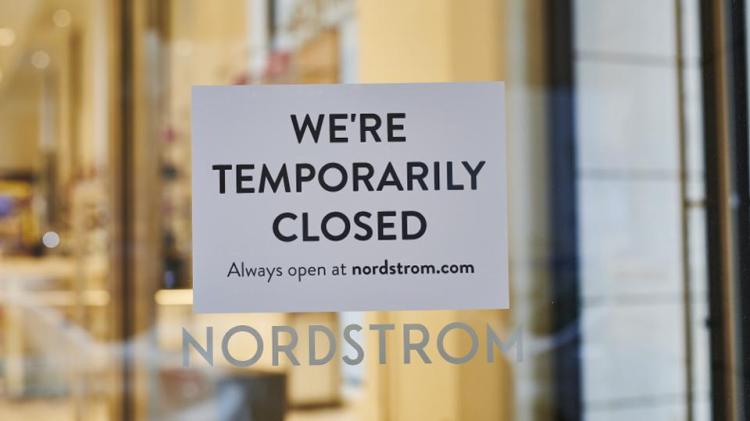
photo: Forbes “A “Temporarily Closed” sign hangs in the window of Nordstrom Inc. store in the Midtown”
© 2020 BLOOMBERG FINANCE LP
Looking back at the time of the aftermath of the 911 attacks. People stopped buying clothes, so that most brands used the strategy of making unparalleled discounts in attracting consumers to reduce inventories and minimizing losses.The popularization of discounting and outlet stores since then has eaten into the whole structure of how fashion works. But the virus impact is much more complex and severe, it suspends people’s disposable income and retailers find it hard to stir up sales even with discounts.
With 50% off promotions piling up in the email inboxes, most consumers are not interested in fashion consumption right now. With the unemployment rate in the U.S. climbs high, if anything, spending for most people has gone to groceries and healthcare essentials.
Other than cash-strapped consumers, the Mckinsey report proposes that there will be a rise in anti-consumerism as deep discounting plagues retailers for the remainder of 2020. Consumers will no longer want to pay much for luxuries once they’ve used to the lower price. Hence the luxury sales can expect to be exacerbated for the following year. The report also states, “To reach increasingly frugal and disillusioned consumers, brands must find inventive ways to regain value and rethink their broader business mission.”
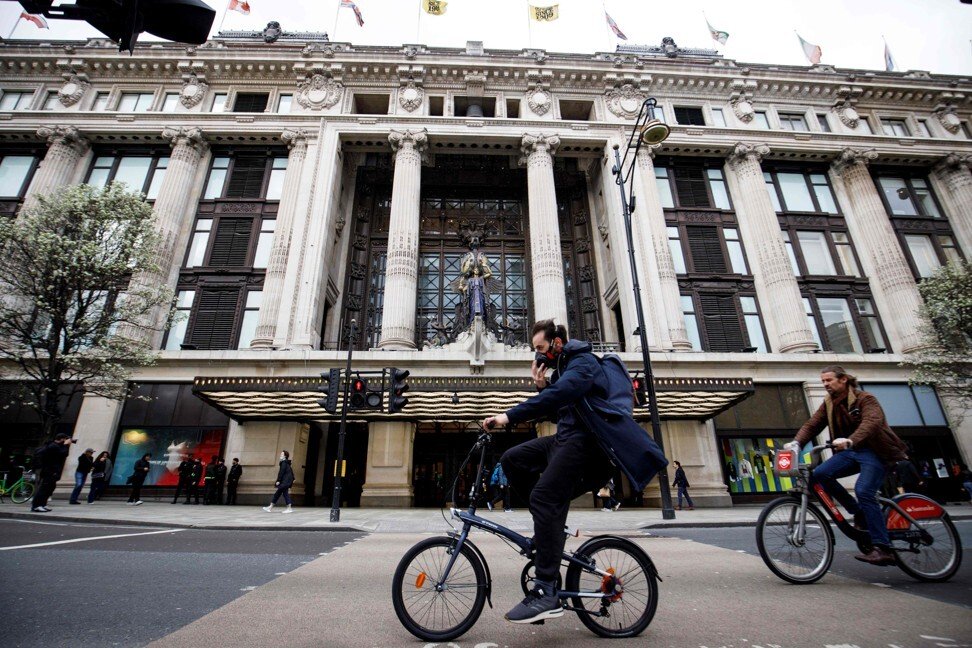
Cyclists ride past a locked up Selfridges department store in Oxford Street, London, the UK. Photo: AFP
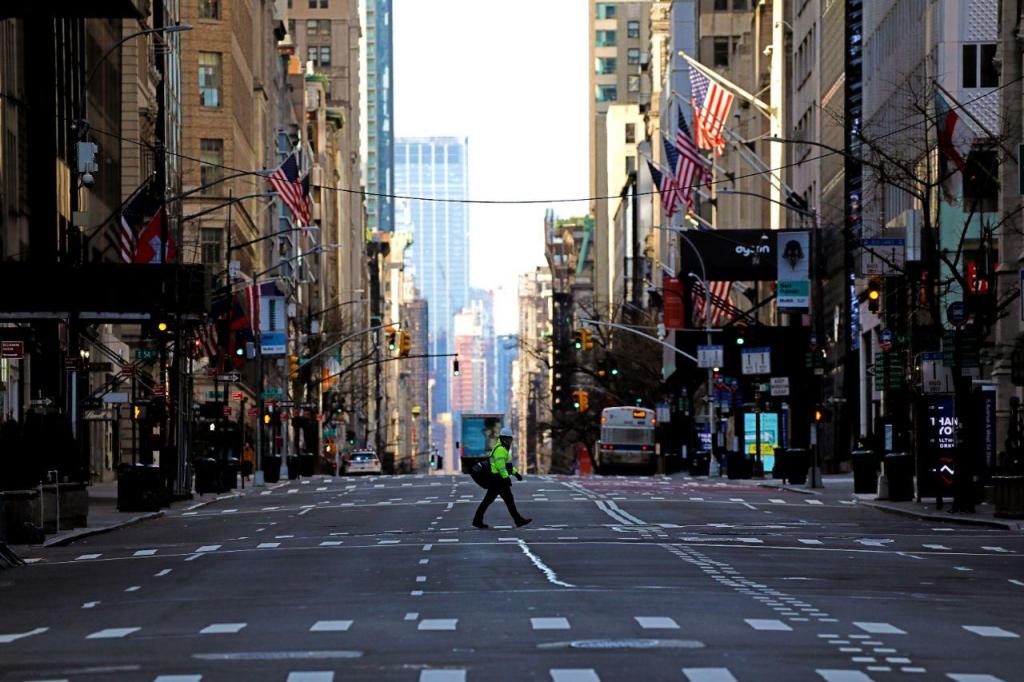
A pedestrian crosses a deserted Fifth Avenue in New York. The coronavirus spread is hugely impacting the fashion industry in the US and globally. Photo: EPA-EFE
According to the New York Times, as of April 16, the $349 billion US small business rescue loan program has already run out of funds. To plenty of American designers, the news is too heartbroken to hear. According to Vogue, Victor Glemaud, a knitwear designer and CFDA/Vogue Fashion Fund alum, was turned away by both banks where he applied for a Paycheck Protection Program loan after weeks of waiting and confusion. “What seemed possible at the beginning of the process has turned into a complete non-starter,” Glemaud tells Vogue.
Vogue and the CFDA have launched A Common Thread, a fundraising initiative that in hope of reducing the struggles of the fashion community.
photo: Vogue.com
What the future holds for fashion creativity is also in question. Designers are debating whether they should design new collections for the coming season or even year. Marc Jacobs shared in his conversation with British Vogue editor-in-chief, Edward Enniful, that his design team could not make the next step as the way they work is always seeing the materials from Italy first, then incorporating ideas and executing the design. But now every department comes to a grinding halt. And Jacobs expressed that he frankly didn’t think the new collection will be made.
The uncertainty surrounding COVID-19 has also given the industry a chance to reevaluate not only the structure of business operation but the industry’s value chain.
 The Beau Monde Express